


Lincoln Aviator Vs. Ford Explorer: SUV Comparison
Page Overview
- Trims & Configurations: Lincoln Aviator wins. The Aviator offers more with fewer trims.
- Size & Dimensions: Tie. The SUVs are close in size, with the Explorer offering more total cargo space and the Aviator more second-row legroom.
- Specs: Tie. The Explorer has two engine options, though the Aviator has a more powerful standard unit.
- Interior: Lincoln Aviator wins. The Aviator boasts more luxury and advanced tech.
- Safety & Warranty: Lincoln Aviator wins. While both models prioritize safety, the Aviator offers more standard safety and better warranty coverage.
Lincoln Aviator
|
Ford Explorer
|
|
| Engine | 3.0L twin-turbo V-6 |
|
| Horsepower | 400 |
|
| Torque | 415 lb-ft |
|
| Transmission | 10-speed auto | 10-speed auto |
| Drivetrain | RWD or AWD | RWD or AWD |
| 0-60 MPH | 5.9 sec | 5.1 - 6 sec1 |
| Top Speed | 140 mph2 | 146 mph1 |
| Max EPA-Est. MPG (Cty / Hwy / Cmb) | 17 / 25 / 203 | 20 / 28 / 233 |
| Fuel Tank Size | 20.2 gal | 17.9 - 20.2 gal |
| Max Towing Capacity | 5,000 lbs4 | 5,000 lbs5 |
| Dimensions (Length / Width / Height) | 199.7 / 79.6 / 69.2 - 69.6 in | 198.7 / 78.9 / 69.6 - 70.8 in |
| Seating Capacity | 6 or 7 | 6 or 7 |
| Base Curb Weight | 4,745 lbs | 4,248 lbs |
| Cargo Space (Min / Max) | 16.5 / 75.9 cu ft | 16.3 / 85.3 - 85.8 cu ft |
| Standard & Available Interior Features |
|
|
| Standard & Available Exterior Features |
|
|
| Factory Warranty | Bumper-to-Bumper: 4 yr/50,000 mi6 | New Vehicle Limited Warranty: 3 yr/36,000 mi6 |
| NHTSA Safety Rating | 5/5 stars (2026)7 | 5/5 stars7 |
| 2027 Lincoln Aviator | Used Ford Explorer |
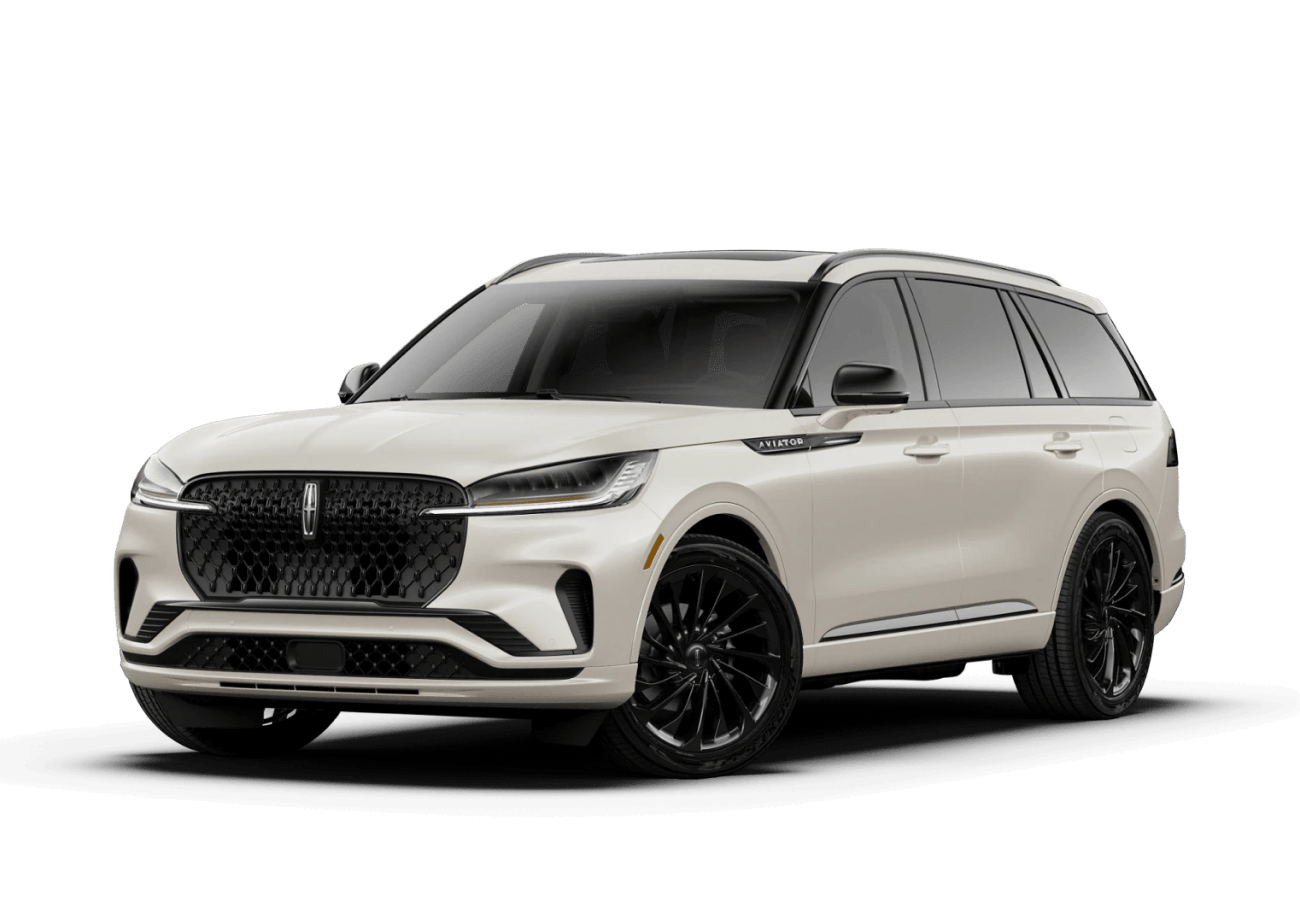
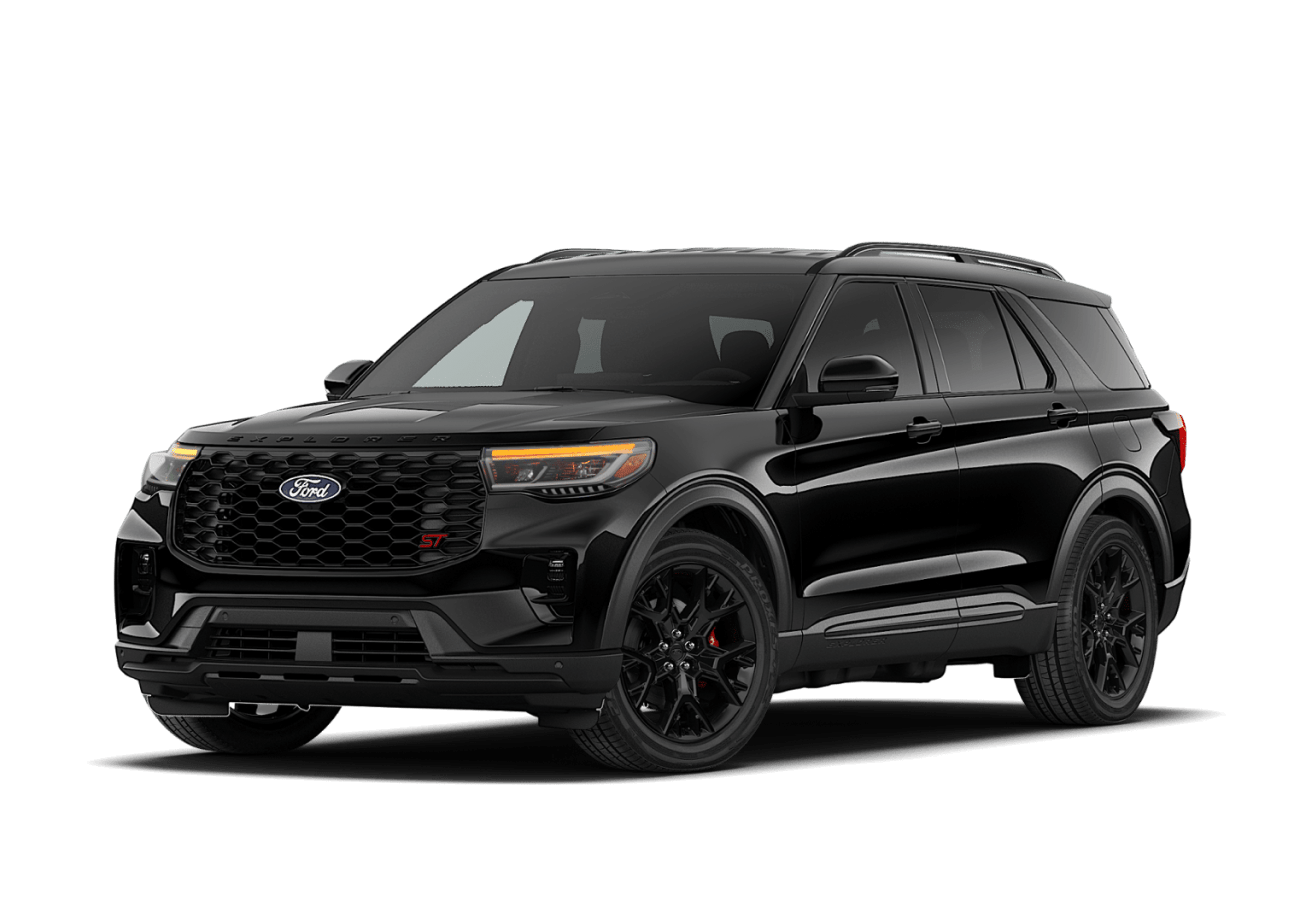
2027 Ford Explorer vs. 2027 Lincoln Aviator: Which SUV Should You Choose?
Our Lincoln Aviator vs. Ford Explorer guide shows why investing in a luxury model is a smart move. Both the Lincoln and Ford midsize three-row SUVs offer premium amenities, high towing capacity, and spacious cabins, but the Aviator prevails in multiple areas. Explore them here, then visit Capital Lincoln of Wilmington to experience the 2027 Aviator in person.
Lincoln Aviator vs. Ford Explorer Trims & Configurations
The Aviator offers three trims, while the Explorer has five. Each boasts a slew of packages.
Lincoln Aviator: When you explore the new 2027 Lincoln Aviator for sale, you'll get to know the standard Premiere, the elevated Reserve, and the stunning Lincoln Aviator Black Label. The higher price tag reflects the Lincoln Aviator SUV's extensive lineup of features (detailed below) and available packages.
Ford Explorer: The Explorer has five trim levels: Active, ST-Line, Tremor, Platinum, and ST. Features generally improve as you move up, but some options, like the Tremor and ST, are sidegrades that focus on off-road capability and sport styling, respectively. This can make shopping for the Explorer confusing, since a more expensive trim might be a specialist level rather than an upgrade. Similar to the Aviator, numerous packages are offered.

Lincoln Aviator vs. Ford Explorer Size & Dimensions
These three-row midsize SUVs offer similar dimensions. The Aviator has the edge in the second row, while the Explorer prioritizes maximum cargo space.
Lincoln Aviator: The Aviator is 199.7 inches long and 79.6 inches wide. It offers 43 inches of front-row legroom, 39 inches of second-row legroom, and 29.2 inches of third-row legroom. The second row is comfortable even for tall adults. The trunk boasts 16.5 cubic feet and expands to 75.9 cubic feet of total storage area with the rear rows folded.
Ford Explorer: The Explorer is shorter in length and less wide than the Aviator, at 198.7 and 78.9 inches, respectively. Second-row passengers get only 37 or 37.5 inches of legroom, which can feel cramped for taller adults; first-row legroom matches the Aviator, while the third row has slightly more. With a little less standard trunk space but more cargo room when the second and third rows are folded, the Explorer offers similar versatility to the Aviator.

Lincoln Aviator vs. Ford Explorer Specs
The Aviator has the stronger standard engine, though the Explorer has a small advantage in fuel efficiency. Towing capacity is the same.
Lincoln Aviator vs. Ford Explorer Engine
Lincoln Aviator: The standard Aviator engine is a 400-horsepower 3.0-liter twin-turbocharged V-6. Producing 415 pound-feet of torque and rocketing to 60 mph in 5.9 seconds, the Aviator is incredible to drive.
Ford Explorer: The Explorer has two engines: a 2.3-liter turbocharged I-4 and a 3.0-liter twin-turbocharged V-6. The lower-output 2.3-liter engine is standard, meaning more investment is required to achieve the same power as the Aviator. We see a similar theme in our other Lincoln Aviator vs. the competition guide.
Lincoln Aviator vs. Ford Explorer Towing Capacity
Lincoln Aviator: The maximum Aviator towing capacity of 5,000 pounds4 is enough for a small camping or utility hauler. The Aviator comes standard with many towing features, including Smart Trailer Tow Connector, which is not offered in the Explorer.
Ford Explorer: The Explorer also has a maximum 5,000-pound towing capacity.5 While it lacks Smart Trailer Tow Connector, it shares various towing equipment with the Aviator, including Trailer Sway Control and a Class III receiver hitch.
Lincoln Aviator vs. Ford Explorer Fuel Economy
Lincoln Aviator: Because it prioritizes a 3.0-liter twin-turbocharged V-6, the Aviator has a slightly lower yet still efficient 20 MPG (Combined).3 Its 20.2-gallon fuel tank is standard.
Ford Explorer: With its standard engine, the Explorer has a higher fuel economy, though a smaller 17.9-gallon fuel tank. However, the MPG comparison becomes more competitive when you examine each model's 3.0-liter V-6.
Lincoln Aviator vs. Ford Explorer Interior
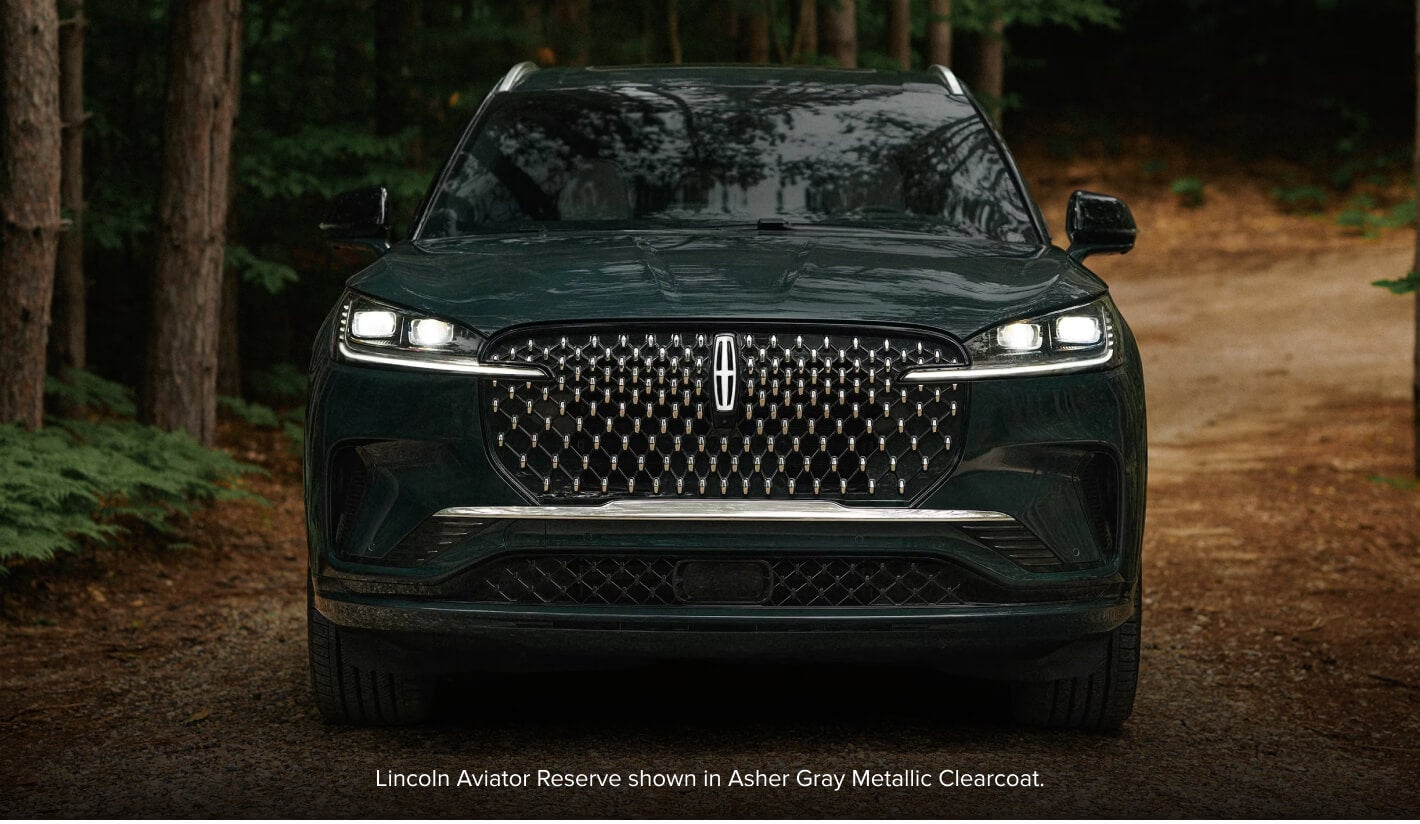
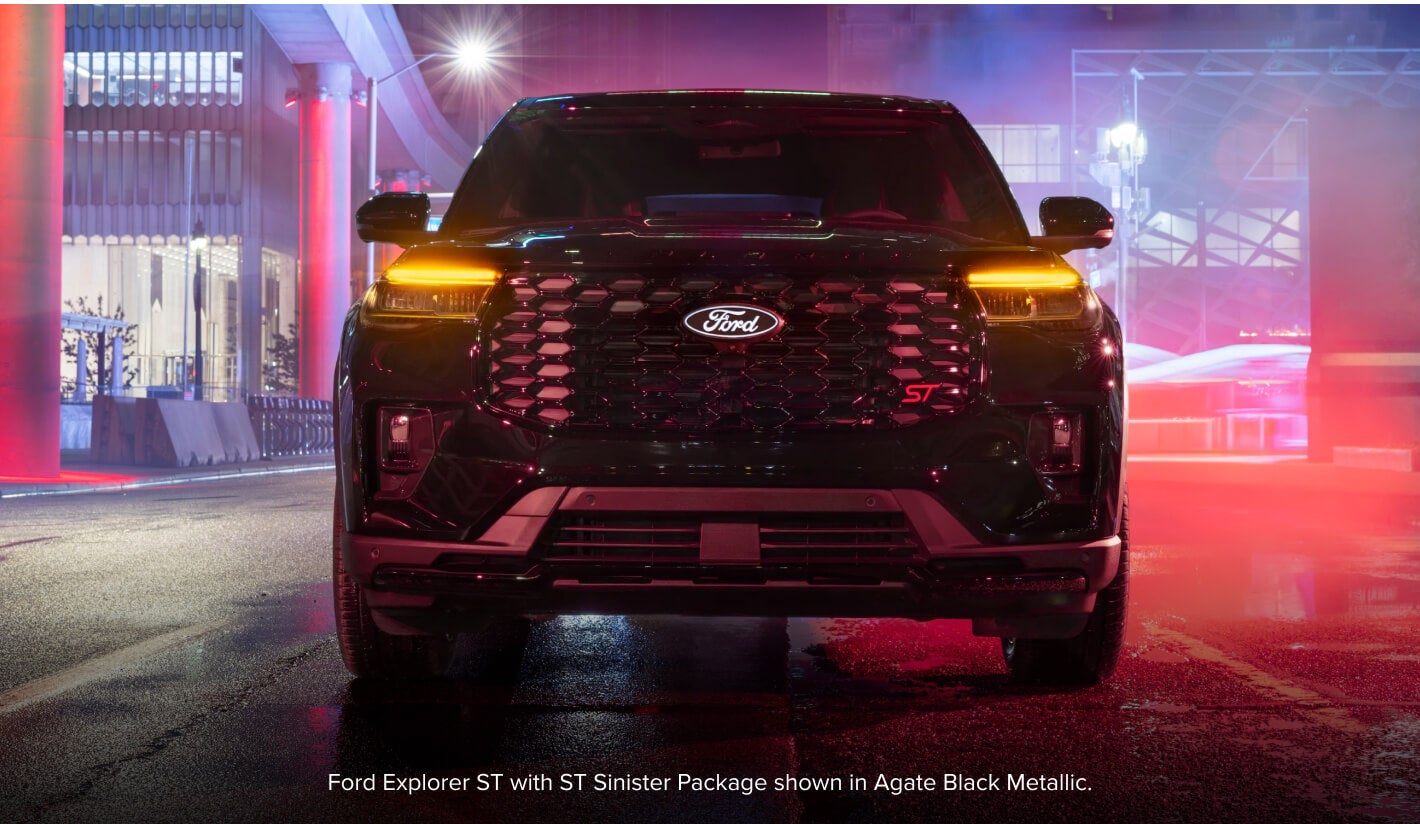
The Aviator provides a superior cabin in nearly every category, with stronger standard features and more available amenities.
Lincoln Aviator: If you lease a Lincoln Aviator, you can access standard luxuries like a heated, leather-wrapped steering wheel, auto air refresh, and the Lincoln Embrace entry display. Climb trim levels for offerings like heated and ventilated second-row outboard seats, an Advanced Head-Up Display, 30-way front seats, and quad-zone climate control.
Ford Explorer: While the Explorer is comfortable and tech-infused, it lacks the same level of amenities. For instance, it offers only tri-zone climate control across the lineup, and no Head-Up Display is available.

Lincoln Aviator vs. Ford Explorer Safety & Warranty
Both models receive five-star ratings from the NHTSA in the latest evaluations,7 but the Aviator has higher-end tech and easier access to features. The 2027 Aviator also offers better warranty coverage.
Lincoln Aviator: The Aviator has impressive standard safety systems like Lincoln BlueCruise, a 360-Degree Camera, and Front Parking Sensors. It also earns a five-star rating from the NHTSA (based on the 2026 model year, the latest rankings available at this time)7 and features a four-year/50,000-mile Bumper-to-Bumper Warranty.6
Ford Explorer: The Explorer requires extra investment for the features listed above. While it has a five-star NHTSA rating for 2027,7 it falls short with its New Vehicle Limited Warranty coverage of three years or 36,000 miles.6
Lincoln Aviator Pros & Cons
Pros
- Stronger standard engine
- Better standard and more available features
- Extra standard safety technology
- Better new car warranty
Cons
- Less maximum cargo space
- Less third-row legroom
- 1 engine option
Ford Explorer Pros & Cons
Pros
- 2 engine options
- Higher standard MPG
- More maximum cargo room
Cons
- Lower standard power output
- Fewer standard features
- Fewer upgrade options
- Less new car warranty coverage
Conclusion
- Choose the Lincoln Aviator if you want a wealth of luxury amenities, high-end comforts, and responsive, powerful performance – all standard.
- Choose the Ford Explorer if the lower cost is worth lower-tier standard features and a less powerful standard engine.
Frequently Asked Questions
Is the Lincoln Aviator the same size as the Ford Explorer?
While there are minor differences, such as the Lincoln Aviator being 1 inch longer and 0.7 inches wider, the two models are essentially the same size and sit at the higher end of the three-row midsize segment. These SUVs are about as spacious as the other, with small variances in different areas.
Which is bigger: the Lincoln Aviator or Ford Explorer?
Both models are quite close in size, though the Lincoln Aviator is 1 inch longer (199.7 inches vs. 198.7 inches) and slightly wider (79.6 inches vs. 78.9 inches). This gives you a more spacious second row, with 39 inches of legroom vs. 37 or 37.5 inches in the Ford Explorer. At the same time, the Aviator offers a larger total cargo area and third row.
Which one should I buy: the Lincoln Aviator or Ford Explorer?
The Lincoln Aviator and Ford Explorer each have their merits, but the Aviator is built to be a more memorable drive. Boasting standard features like Lincoln Embrace and wireless charging and available amenities such as ventilated second-row outboard seats and a 28-speaker Revel sound system, the Lincoln model is more impressive feature-wise overall. For the highest maximum cargo space, go for the Explorer.
See Reviews On The Lincoln Aviator:
1Reference to this third-party review/claim is solely for informational purposes and not to be relied upon. For more details, please visit https://www.caranddriver.com/ford/explorer-2027.
2Reference to this third-party review/claim is solely for informational purposes and not to be relied upon. For more details, please visit https://www.caranddriver.com/lincoln/aviator-2027.
3EPA-estimated city/hwy mpg for the model indicated. See fueleconomy.gov for fuel economy of other engine/transmission combinations. Actual mileage will vary. On plug-in hybrid models and electric models, fuel economy is stated in MPGe. MPGe is the EPA equivalent measure of gasoline fuel efficiency for electric mode operation.
4When properly equipped. Max towing varies based on cargo, vehicle configuration, accessories, and number of passengers.
5When properly equipped. See dealer for details.
6Whichever time/mileage designation comes first. Warranties listed on this web page shall not be solely relied upon. Warranties may be subject to specific terms, restrictions, exclusions, and fees. Additional warranty information may be obtained by visiting the official website of the warranty provider. Contact our dealership for complete details.
7Reference to this third-party claim is solely for informational purposes and not to be relied upon. For details regarding this rating, visit https://www.nhtsa.gov.